Replacement Cost vs. Actual Cash Value | Reclending insurance service

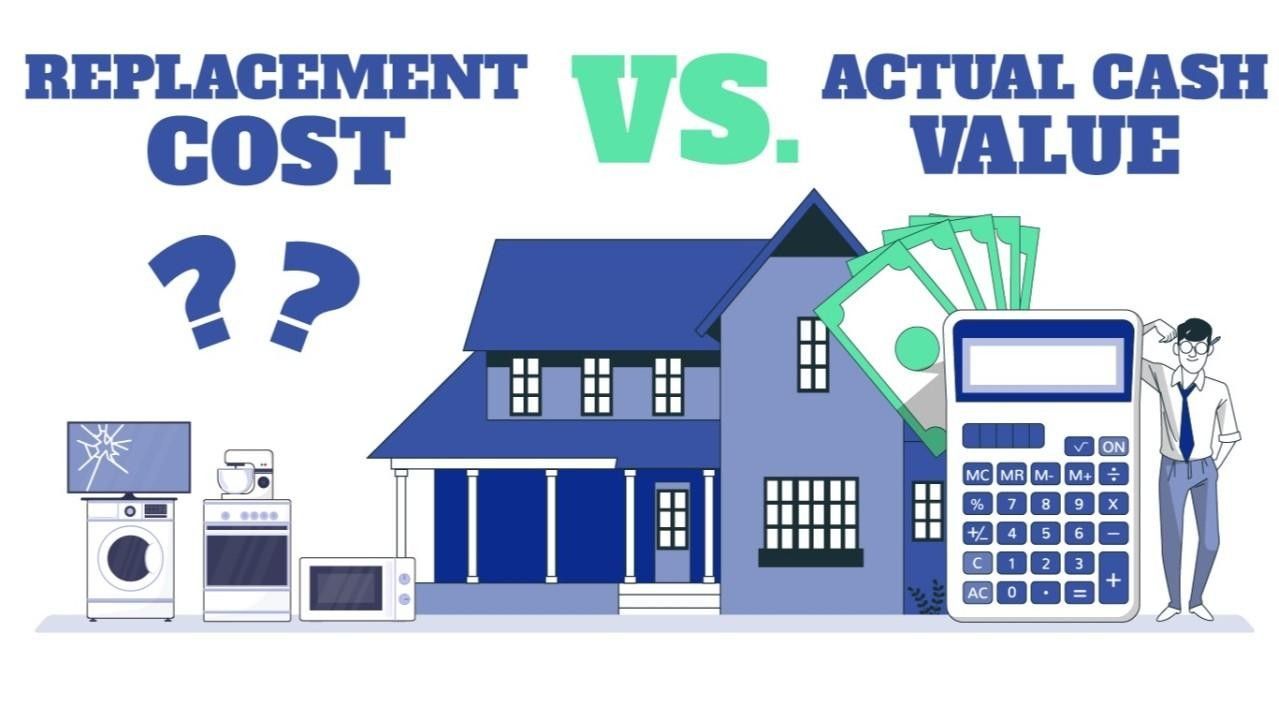
If you've ever compared homeowners insurance quotes, you've probably seen the terms replacement cost and actual cash value. If you're not familiar with insurance, those terms don't mean much at first. I explain the difference between them to clients several times a week, and it's actually pretty simple once you see an example. The biggest difference is that replacement cost is generally based on what it costs to replace something today, while actual cash value takes depreciation into account.
What Is Replacement Cost Coverage?
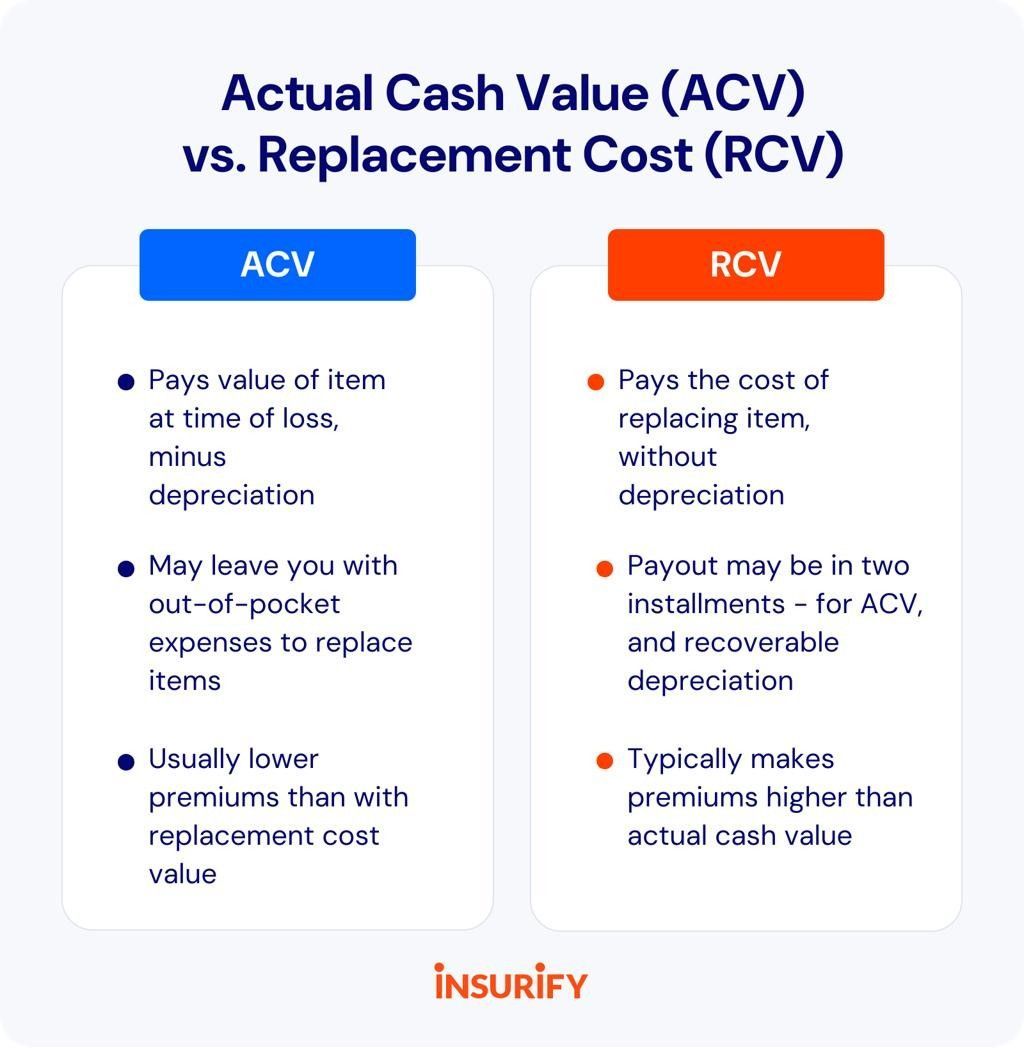
Replacement cost coverage is designed to pay what it costs to repair or replace damaged property with new property of similar kind and quality, subject to the terms and limits of your policy. Depreciation generally isn't taken out when determining the replacement cost.
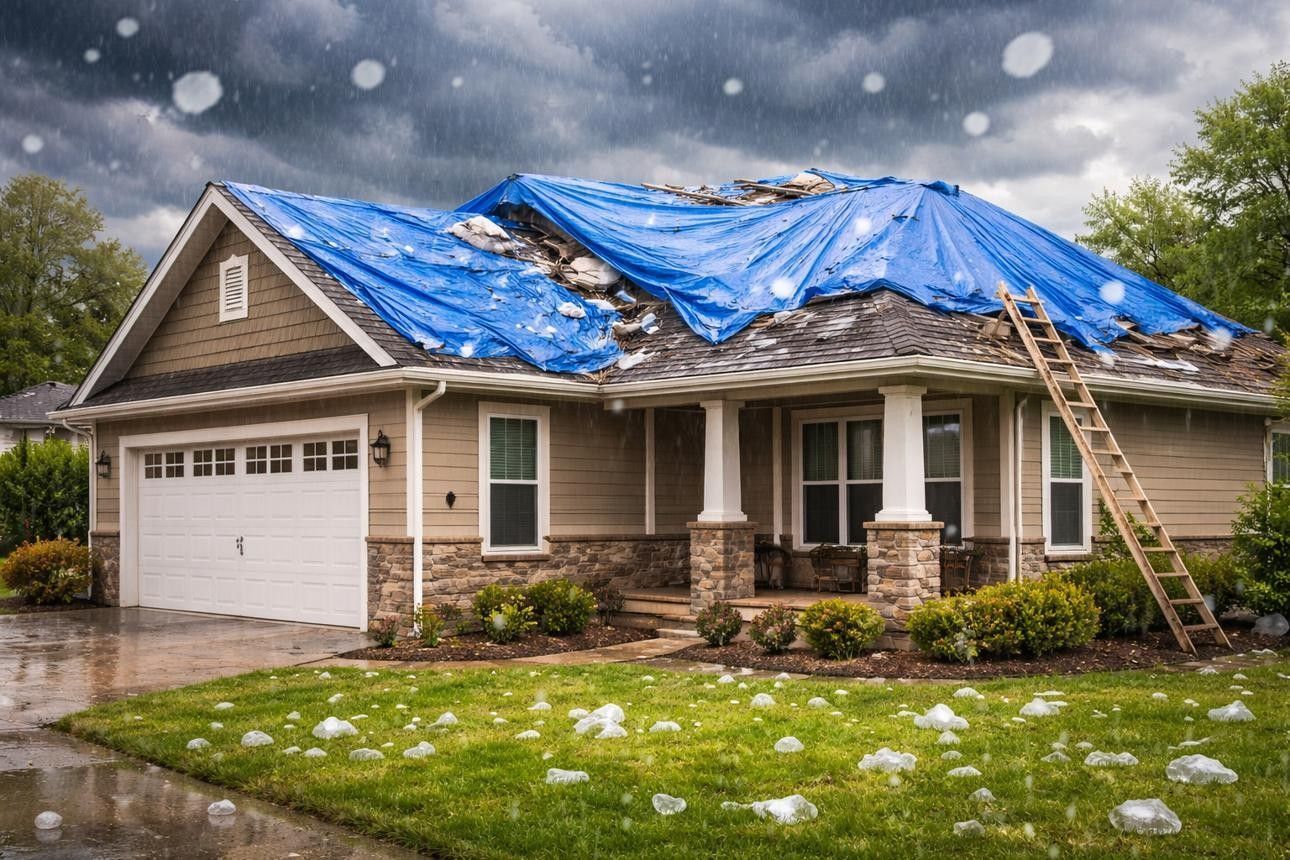
For example, let's say you have a 10-year-old roof that is damaged by a covered windstorm. With replacement cost coverage, the claim is generally based on what it costs to replace that roof with a comparable new roof rather than what the 10-year-old roof was worth before the storm.
What Is Actual Cash Value (ACV)?
Actual cash value, or ACV, takes depreciation into account. In simple terms, the insurance company considers what the item was worth immediately before the loss instead of simply paying what it costs to buy a brand-new replacement.
For example, let's say you have a 10-year-old couch that originally cost $2,000 and it's destroyed in a covered loss. A similar new couch might cost $2,000 today, but your 10-year-old couch isn't worth $2,000 anymore. With actual cash value coverage, depreciation would be taken into consideration, so the amount you receive could be significantly less than the cost of buying a new couch.
Replacement Cost vs. acv: What's the Difference?
Here's probably the easiest way to remember it:
Replacement Cost: What does it cost to replace the item today?
Actual Cash Value: What was that item worth immediately before the loss after considering depreciation?
That difference can become very important after a major claim. Two people could have nearly identical homes and suffer the exact same loss, but receive very different claim payments depending on how their policies settle the loss.
Which Is Better: Replacement Cost or Actual Cash Value?
For most homeowners, replacement cost coverage provides better protection because you're not taking the same depreciation reduction when replacing damaged property. It does typically cost more than actual cash value coverage, but the additional premium can be worthwhile when you consider what could happen after a significant loss.
Of course, the right coverage depends on your situation and the specific policy. When comparing quotes, it's important to look at more than just the price.
Does Homeowners Insurance Pay Replacement Cost?
Many homeowners policies provide replacement cost coverage on the home itself, but personal property can be handled differently depending on the policy. Certain types of property may also have special limits or require additional coverage.
This is one reason I always recommend asking your insurance agent how a policy actually settles a claim rather than assuming everything is automatically covered at replacement cost. Your deductible will also apply to a covered claim, and there are policy requirements that need to be met before the full replacement cost amount is paid.

Why Does Replacement Cost Matter When Choosing Home Insurance?
When you're shopping for insurance, it's easy to look at two quotes and simply choose the one with the lower premium. But the cheapest policy isn't necessarily the best value if it provides less coverage when you actually need it.
I recommend looking at the coverage just as closely as the price. Ask how the home is covered, how your personal belongings are covered, what the deductibles are, and whether the policy uses replacement cost or actual cash value. Saving a little money on your premium isn't much of a savings if it leaves you paying thousands of dollars out of pocket after a claim.
How Do I Know Which Coverage I Have?
If you're not sure whether your home or belongings are covered at replacement cost or actual cash value, take a look at your policy or ask your insurance agent. It can be difficult to tell exactly how a policy will respond just by looking at the premium.
It's much better to understand your coverage before you have a claim rather than trying to figure it out after something happens.
Need Help Comparing Home Insurance Coverage?
At RecLending Insurance Services, we help homeowners understand what they're actually getting when they compare insurance quotes. If you're shopping for homeowners insurance or haven't reviewed your current policy recently, reach out to us. We'd be happy to go over your current coverage, explain the difference between replacement cost and actual cash value, answer your questions, and provide a quote so you can make an informed decision.
Final Thoughts!
Replacement cost and actual cash value are two terms that can make a big difference when you have a homeowners insurance claim. The simple way to remember it is that replacement cost focuses on what it costs to replace something today, while actual cash value takes depreciation into account.
When you're comparing homeowners insurance, don't just compare the price. Make sure you understand how the policy would respond if you actually needed to use it. That's where having an agent you can talk to can make a big difference.