What Does Homeowners Insurance Cover? A Complete Guide

Todd Schroeder • September 3, 2026

Share this article

What Does Homeowners Insurance Cover? A Complete Guide


Buying a home is one of the biggest investments you'll ever make, so it's important to understand exactly what your homeowners insurance protects. One of the most common questions insurance agents hear is, "What does homeowners insurance actually cover?" The short answer is that it helps protect your home, your belongings, and your financial future after certain unexpected events. The longer answer is that every policy has different coverages, limits, and exclusions, so knowing what's included can help you avoid expensive surprises when you need your insurance the most.


What Does Homeowners Insurance Cover?

Most standard homeowners insurance policies provide protection in several key areas: your home's structure, your personal belongings, liability if someone is injured, additional living expenses if you can't stay in your home after a covered loss, and a few other important protections. While policies vary from one insurance company to another, these are the coverages that most homeowners rely on every day.


Dwelling Coverage: Protecting Your Home

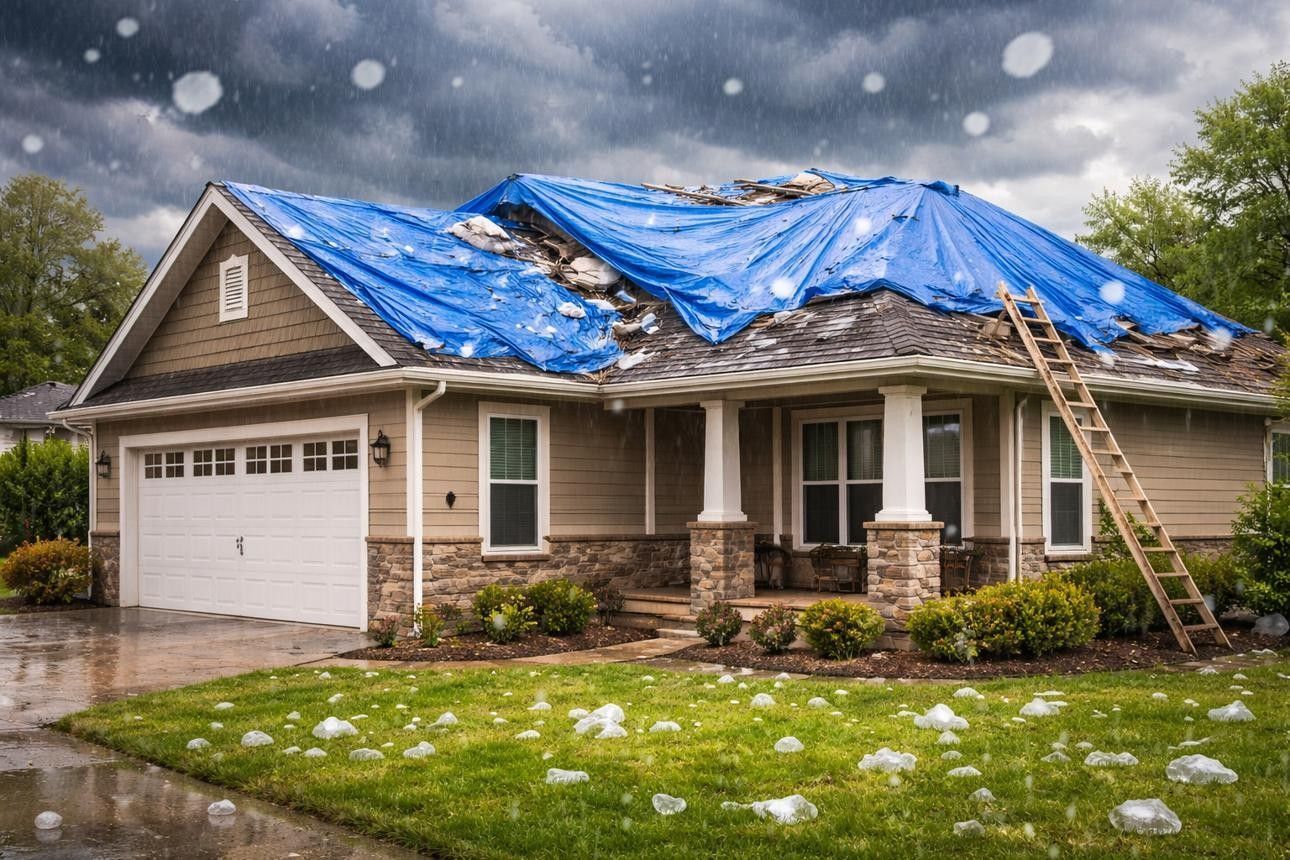
The largest portion of your homeowners policy is called dwelling coverage. This protects the physical structure of your home if it's damaged by a covered event such as fire, lightning, wind, hail, or vandalism. If a tree falls on your roof during a windstorm or a kitchen fire causes significant damage, your insurance may help pay to repair or rebuild your home.

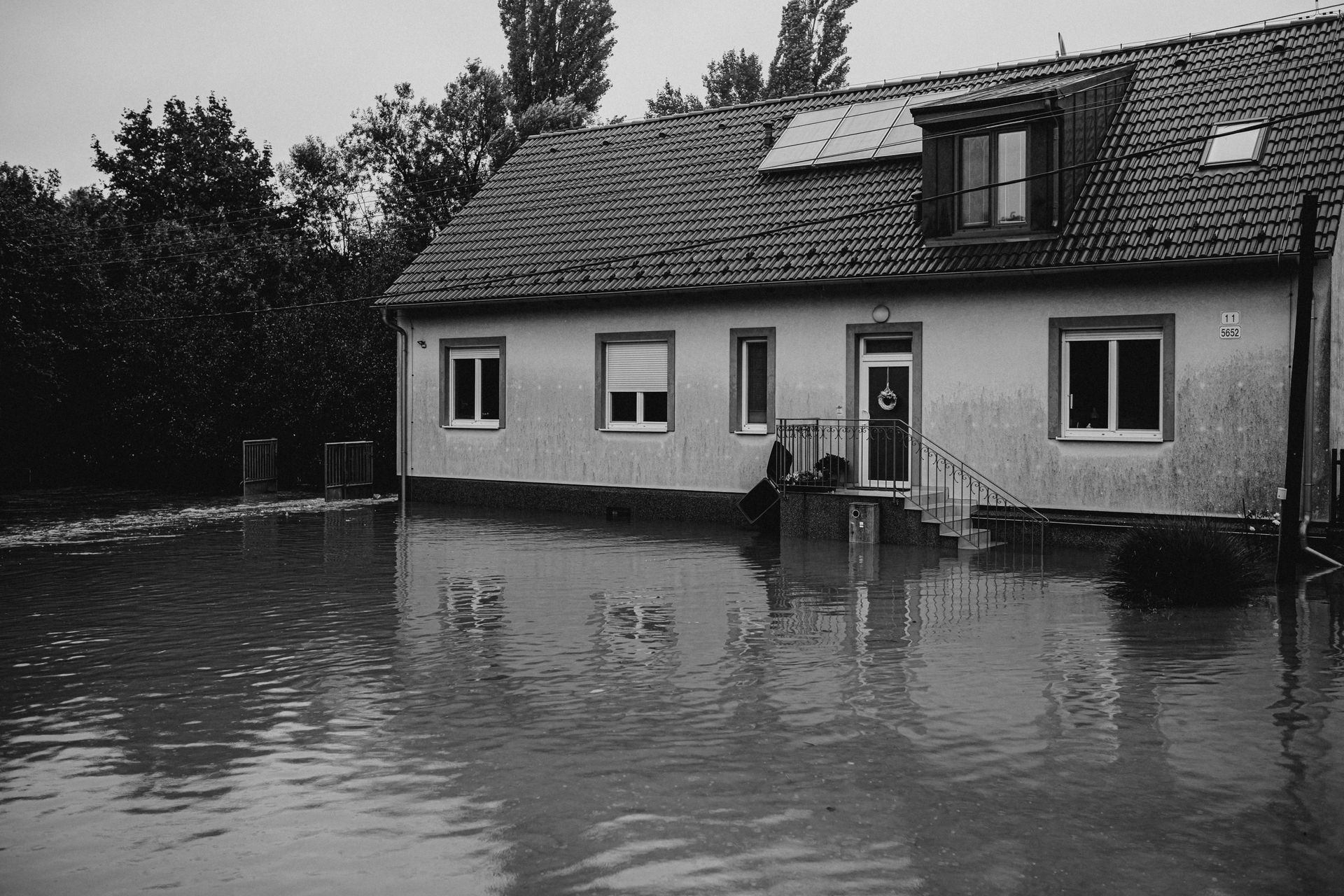
Many homeowners assume their policy covers every type of damage, but that's not always the case. Flooding from rising water and earthquake damage are generally excluded from a standard homeowners policy and require separate coverage. Understanding these exclusions before disaster strikes is just as important as knowing what's covered.


Personal Property Coverage: Are Your Belongings Protected?

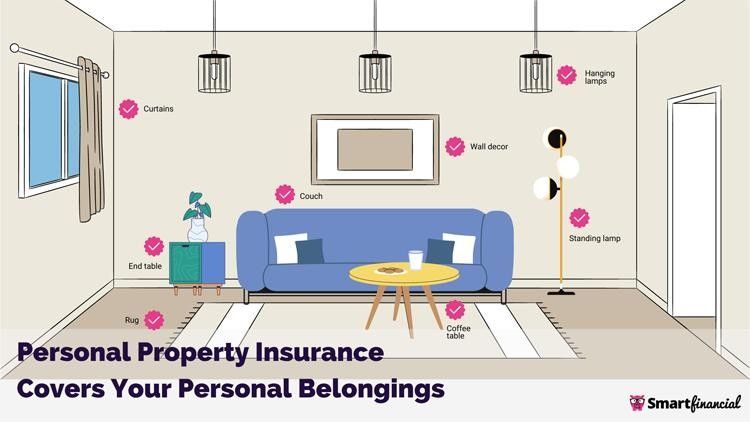
Your homeowners insurance doesn't just protect your house—it also helps protect the things inside it. Personal property coverage can help replace furniture, clothing, electronics, appliances, and many other household items if they're damaged or stolen because of a covered loss.

If you own expensive jewelry, firearms, collectibles, artwork, musical instruments, or specialized equipment, ask your insurance agent whether those items are fully covered. Most policies have limits for certain categories of property, and scheduling valuable items may provide broader protection.


Personal Liability Coverage: One of the Most Valuable Parts of Your Policy

Many people overlook liability coverage until they need it. If someone slips on your icy sidewalk, your dog bites a visitor, or your child accidentally damages someone else's property, personal liability coverage may help pay for medical bills, legal expenses, and settlements if you're found responsible.

Liability claims can become very expensive, which is why many homeowners choose higher liability limits or add a personal umbrella policy for even greater protection. It's often one of the most affordable ways to increase your overall financial security.


Additional Living Expenses (ALE): If You Can't Live at Home

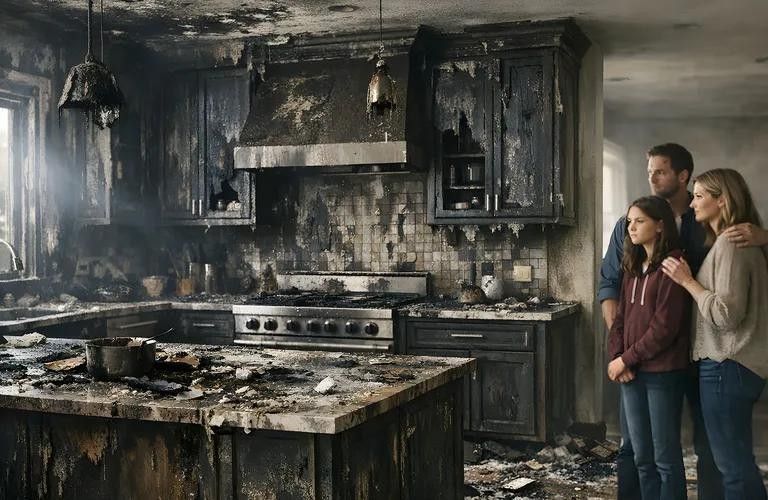
Imagine your home suffers major fire damage and repairs take several months. Where would you stay? How would you pay for hotel bills or extra meals?

That's where Additional Living Expenses (ALE) coverage comes in. If a covered claim makes your home temporarily unlivable, your homeowners insurance may help pay for reasonable expenses such as hotels, temporary rentals, restaurant meals, and other increased living costs while your home is being repaired. It's a coverage many homeowners forget about until they truly need it.


Does Homeowners Insurance Cover Water Damage?

Water damage is one of the most searched homeowners insurance questions online—and for good reason. The answer depends on how the damage occurred.

Generally, homeowners insurance covers sudden and accidental water damage, such as a burst pipe, an overflowing washing machine, or an unexpected plumbing leak. However, damage caused by long-term leaks, poor maintenance, seepage, or flooding from heavy rain or overflowing rivers is typically not covered under a standard homeowners policy.

If you live in an area prone to flooding, it's worth discussing flood insurance with your insurance agent before a storm is in the forecast.


What Doesn't Homeowners Insurance Cover?

Knowing what your policy excludes is just as important as knowing what it covers. Common exclusions include:

  • Flood damage
  • Earthquakes
  • Wear and tear
  • Mold caused by long-term maintenance issues
  • Pest or rodent damage
  • Intentional damage
  • Neglected maintenance


Some of these risks can be insured with endorsements or separate policies, while others are considered the homeowner's responsibility. Reviewing your policy every few years is a good way to make sure you aren't caught off guard.


How Much Homeowners Insurance Do You Need?

Every home is different, which means every insurance policy should be too. The amount of coverage you need depends on factors like the cost to rebuild your home, the value of your belongings, your liability exposure, and any special features or recent renovations.

A policy that was perfect five years ago may no longer provide enough protection today if you've remodeled your kitchen, finished a basement, added a detached garage, or purchased valuable personal property. That's why it's a good idea to review your homeowners insurance annually with your insurance agent.


Have Questions About Your Homeowners Insurance?

Whether you're buying your first home, reviewing your current policy, or simply wondering if you're paying too much, we're here to help. At RecLending Insurance Services, we believe insurance should be easy to understand—not filled with confusing terms and fine print. We'll take the time to explain your coverage, answer your questions, and provide a no-obligation quote so you can compare your options with confidence. Even if you already have homeowners insurance, we're happy to review your current policy and help identify any gaps in coverage or opportunities to save money.

Final Thoughts!

Homeowners insurance does much more than satisfy your mortgage company's requirements—it provides financial protection when life doesn't go according to plan. From repairing storm damage to replacing stolen belongings and protecting you from costly liability claims, the right policy offers peace of mind that can be difficult to put a price on.

If you're not sure what your current policy covers, take a few minutes to review it with your insurance agent. A simple conversation today can help prevent unexpected surprises tomorrow and ensure your home, your family, and your finances have the protection they deserve.


Recent Posts

Family under umbrella with house, cars, boat, and piggy bank, illustrating umbrella insurance coverage
By Todd Schroeder August 10, 2026
An umbrella insurance policy offers extra liability protection beyond standard coverage. Safeguard your assets today!

July 7, 2026
Everything You Need to Know Before You Rent!
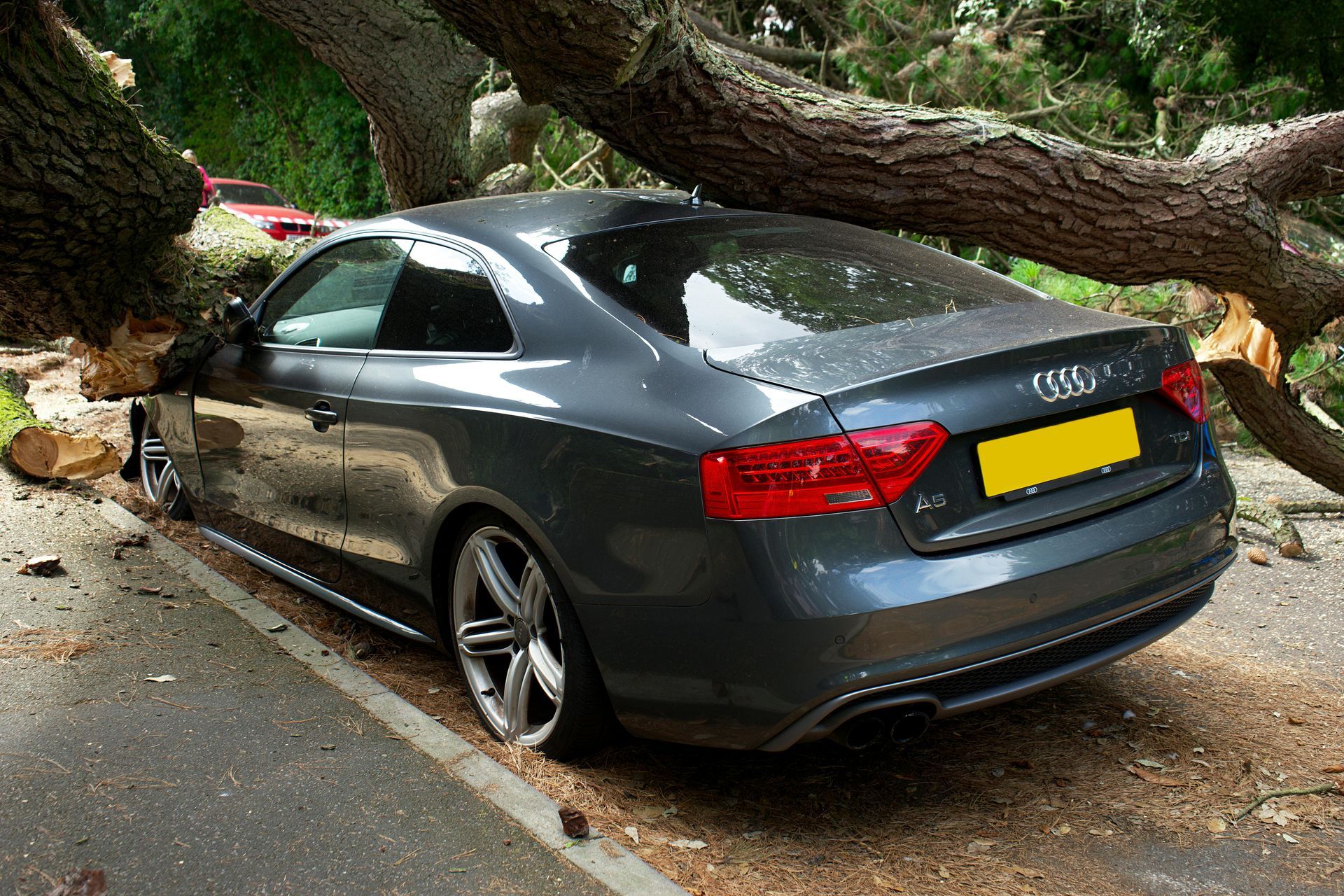
Gray Audi sedan crushed by a fallen tree branch on a roadside
By Todd Schroeder May 26, 2026
Insurance rates increased? Discover the real reasons home and auto premiums are rising in Michigan— and the smart steps you can take now.

Bass boats on a calm lake at dusk, with a tree-lined shore and cloudy sky.
April 21, 2026
Understand if your boat insurance covers tournament fishing. Get expert advice on coverage options today!

Boat Wreck on shore
March 9, 2026
Boat insurance for fishing boats: what every owner should know about protecting rods, electronics, upgrades, and equipment. Expert tips from RecLending Insurance Services